
The Book of Deuteronomy
Deuteronomy 1:1-34:12
Sefer Devarim is a book of farewell and reflection, as Moshe addresses the people on the threshold of the Promised Land he will never enter. Rather than recounting events alone, it interprets them — weaving memory, law, and moral exhortation into a single, urgent voice. The book deepens the themes of covenant, responsibility, and love of God, insisting that freedom must be lived through obedience, justice, and compassion. Standing between wilderness and homeland, Devarim asks what kind of people Israel will choose to become.
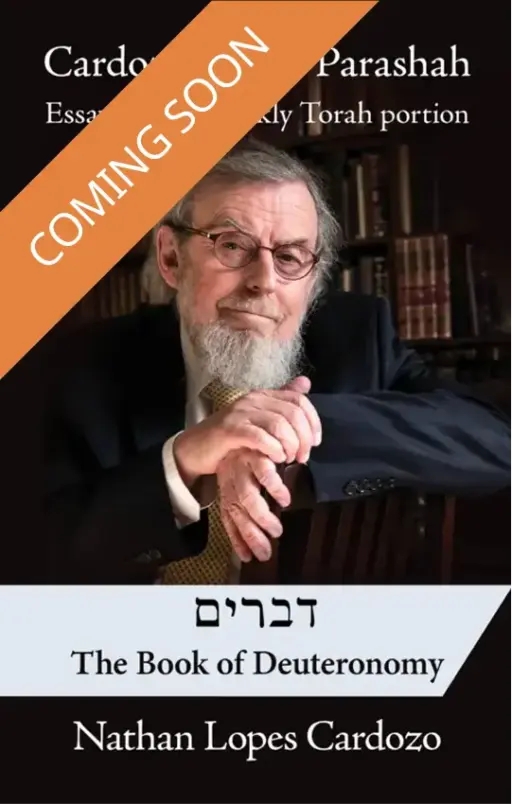
Featured Book
-
Parashat Devarim
Deuteronomy 1:1-3:22
Explore Parashat DevarimMoshe begins his final speeches by recalling Israel’s journey and their moments of failure and growth. The tone is both rebuke and care, as a leader prepares his people for a future without him. The parashah frames history as a teacher that must be remembered and interpreted.

-
Parashat Va'etchanan
Deuteronomy 3:23-7:11
Explore Parashat Va'etchananMoshe recounts the giving of the Ten Commandments and the experience of divine revelation at Sinai. He pleads to enter the land, but is reminded that leadership sometimes requires painful limits. The portion centers on love of God, expressed in the Shema, as the heart of Jewish life.

-
Parashat Eikev
Deuteronomy 7:12-11:25
Explore Parashat EikevMoshe urges Israel to remain faithful, warning that prosperity can breed complacency and forgetfulness. He recalls past rebellions while emphasizing God’s enduring compassion and covenant. Eikev teaches that gratitude, humility, and remembrance are the foundations of a just society.

-
Parashat Re'eh
Deuteronomy 11:26-16:17
Explore Parashat Re'ehIsrael is presented with a stark choice between blessing and curse, life and destruction. Laws governing worship, community, and social responsibility are reiterated, grounding freedom in moral discipline. The parashah insists that destiny is shaped by deliberate, collective choice.

-
Parashat Shoftim
Deuteronomy 16:18-21:9
Explore Parashat ShoftimStructures of leadership — judges, kings, priests, and prophets — are outlined to ensure justice and spiritual integrity. The portion balances authority with accountability, resisting tyranny and corruption. Shoftim envisions a society where power serves the common good.

-
Parashat Ki Teitzei
Deuteronomy 21:10-25:19
Explore Parashat Ki TeitzeiA wide array of laws governs personal, familial, and social life, touching nearly every aspect of human interaction. The commandments aim to cultivate compassion, fairness, and dignity even in ordinary circumstances. Ki Teitzei portrays holiness as woven into the fabric of daily existence.

-
Parashat Ki Tavo
Deuteronomy 26:1-29:8
Explore Parashat Ki TavoUpon entering the land, Israel is commanded to offer first fruits and publicly affirm the covenant. Blessings for obedience and severe warnings for betrayal are articulated with dramatic intensity. The parashah underscores that living in the land carries profound moral responsibility.
-
Parashat Nitzavim
Deuteronomy 29:9-30:20
Explore Parashat NitzavimMoshe gathers the entire people to renew the covenant, stressing that it binds all generations. He assures them that the Torah is not distant or unreachable, but near to the heart. Nitzavim affirms that repentance and return are always possible.
-
Parashat Vayelech
Deuteronomy 31:1-31:30
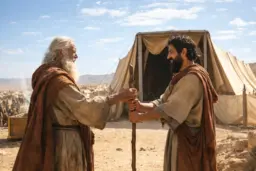
Explore Parashat VayelechMoshe prepares to hand leadership to Joshua, ensuring continuity beyond his own life. The Torah is entrusted to the people, to be read, taught, and remembered. The parashah reflects on transition, legacy, and trust in God’s guidance.
-
Parashat Ha'azinu
Deuteronomy 32:1-32:52
Explore Parashat Ha'azinuMoshe delivers a poetic song that frames Israel’s history as a covenantal drama between God and the people. The poem moves from rebuke to promise, from judgment to ultimate redemption. Ha’azinu transforms law into art and memory into prayer.

-
Parashat V'Zot HaBerachah
Deuteronomy 33:1-34:12
Explore Parashat V'Zot HaBerachahMoshe blesses each tribe individually, acknowledging their distinct roles within the nation. He then ascends Mount Nebo and dies, leaving Israel poised to enter the land. The Torah ends quietly yet majestically — with blessing, promise, and an open future.