Skip to content

The Book of Exodus

Exodus 1:1-40:38

Shemot begins in the darkness of slavery and ends in the radiant presence of God dwelling among Israel, tracing the birth of a people from oppression to covenant. It tells the story of liberation — not only political but spiritual — as Israel moves from being a scattered family to a nation bound by law, memory, and purpose. The book wrestles with power, freedom, leadership, and the possibility of relationship between the infinite and the human. Through the Exodus, Sinai, and the building of the Mishkan, Shemot portrays a people learning what it means to be free, responsible, and holy in the presence of God.

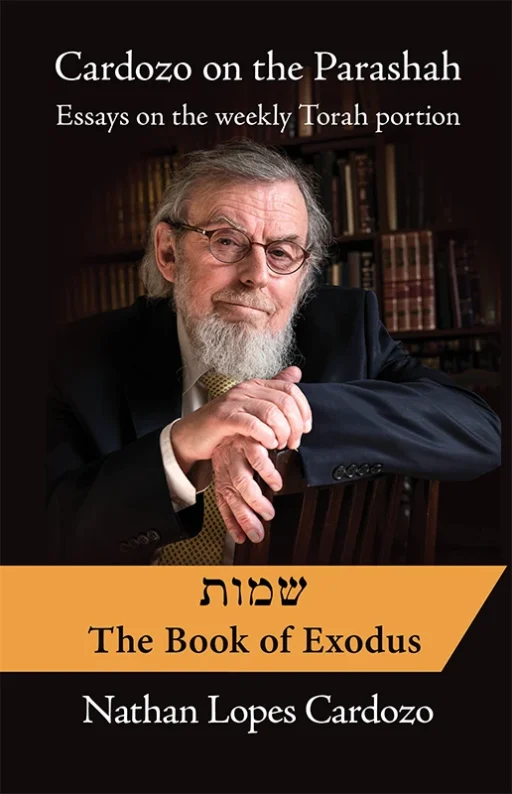
Cover image for Cardozo on the Parashah: Volume 2 - Shemot

Cardozo on the Parashah: Volume 2

The Book of Exodus

In this collection of essays, Rabbi Nathan Lopes Cardozo looks at the weekly Torah portion through the eyes of philosophy, contemporary controversies, and personal struggles. Written in his unique style, this book offers something for many different types of readers: laymen and clergy, full-time students and the intellectually curious, Jews and non-Jews alike.

How to get your copy →


  • Parashat Shemot

    Exodus 1:1-6:1

    The book opens with Israel multiplying in Egypt and becoming a threat in the eyes of a fearful Pharaoh, leading to harsh enslavement. Amid this suffering, Moshe is born, rescued, and shaped by both Egyptian and Hebrew worlds, preparing him for an unexpected destiny. The parashah introduces the central tension of the book: God hears the cry of the oppressed and begins to move history toward liberation.

    Explore Parashat Shemot
  • Parashat Va'era

    Exodus 6:2-9:35

    God reveals Himself to Moshe with promises of redemption and a name that speaks of enduring presence. The ten plagues begin, each challenging Pharaoh’s power while unveiling divine sovereignty to Egypt and Israel alike. Va’era probes the mystery of human stubbornness and divine patience in the face of injustice.

    Explore Parashat Va'era
  • Parashat Bo

    Exodus 10:1-13:16

    The final plagues strike Egypt, culminating in the death of the firstborn and the release of Israel from bondage. The first Passover is instituted as a ritual of memory, binding future generations to the story of liberation. Bo teaches that freedom must be remembered, narrated, and ritually embodied.

    Explore Parashat Bo
  • Parashat Beshalach

    Exodus 13:17-17:16

    Israel crosses the Sea of Reeds in a miraculous moment of deliverance, leaving Egypt behind in a decisive break with the past. Yet almost immediately, the people grumble in the wilderness, revealing how difficult it is to live as free beings. The parashah explores the fragile psychology of liberation and the slow education of trust.

    Explore Parashat Beshalach
  • Parashat Yitro

    Exodus 18:1-20:23

    Moshe’ father-in-law offers practical wisdom about shared leadership, grounding the spiritual drama in human organization. The portion reaches its peak at Sinai, where God reveals the Ten Commandments to the entire nation. Yitro presents a vision of law as a sacred framework for freedom rather than its limitation.

    Explore Parashat Yitro
  • Parashat Mishpatim

    Exodus 21:1-24:18

    A wide range of civil, social, and ethical laws is given, translating divine revelation into daily life. The people formally accept the covenant, committing themselves to live by God’s word. Mishpatim insists that holiness must be expressed in justice, responsibility, and care for the vulnerable.

    Explore Parashat Mishpatim
  • Parashat Terumah

    Exodus 25:1-27:19

    God invites Israel to contribute materials for the construction of the Mishkan, a sacred dwelling in their midst. The detailed instructions suggest that divine presence can inhabit a space shaped by human generosity and craftsmanship. Terumah reframes worship as a collaborative act between heaven and earth.

    Explore Parashat Terumah
  • Parashat Tetzaveh

    Exodus 27:20-30:10

    The focus shifts to the priesthood, especially the garments of Aaron and his sons, which symbolize dignity, beauty, and sacred service. Ritual and responsibility are intertwined, suggesting that spiritual leadership requires preparation, discipline, and reverence. Notably, Moshe’ name is absent — a subtle reminder that even great leaders are not the center of the story.

    Explore Parashat Tetzaveh
  • Parashat Ki Tisa

    Exodus 30:11-34:35

    At the very moment of covenant, Israel creates the Golden Calf, shattering the ideal of pure faith. Moshe intercedes passionately, and God renews the covenant, revealing both justice and mercy. Ki Tisa confronts the perennial tension between spiritual aspiration and human failure.

    Explore Parashat Ki Tisa
  • Parashat Vayakhel

    Exodus 35:1-38:20

    Moshe gathers the people and reiterates the call to build the Mishkan, now framed by communal participation. The nation responds with extraordinary generosity and skilled artistry, transforming commandments into creative action. The parashah celebrates the collective power of a people united in sacred purpose.

    Explore Parashat Vayakhel
  • Parashat Pekudei

    Exodus 38:21-40:38

    The work of the Mishkan is completed with careful accounting and meticulous faithfulness to God’s instructions. When the cloud of divine presence fills the sanctuary, the book reaches its spiritual climax. Shemot closes with a powerful image: God dwelling in the midst of a redeemed and responsible people.

    Explore Parashat Pekudei