Skip to content

The Book of Genesis

Genesis 1:1-50:26

Bereshit opens the Torah with the vast sweep of creation and the intimate drama of human beginnings, moving from the cosmic to the deeply personal. As the narrative narrows from all of humanity to one family, the book traces the birth of the covenant through the lives of the patriarchs and matriarchs — their faith, their failures, and their capacity for growth. Ultimately, Bereshit lays the theological, ethical, and emotional foundations of Jewish history: a story of promise, struggle, blessing, exile, and the persistent search for meaning.

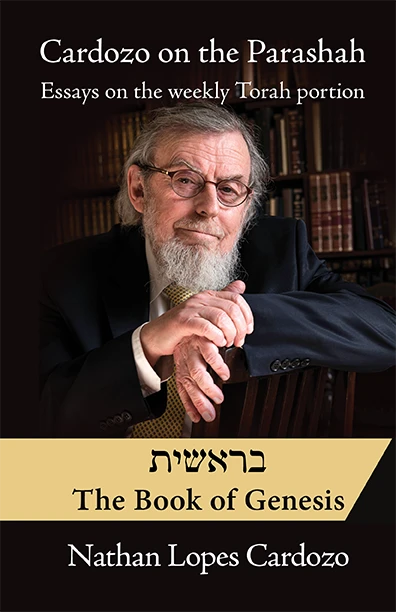
Cardozo on the Parashah: Volume 1

The Book of Genesis

This collection of essays looks at the weekly Torah portion through the eyes of philosophy, contemporary controversies, and personal struggles. Written in Rabbi Cardozo’s characteristic style, this collection offers something for many different types of readers: laymen and clergy, full-time students and intellectually curious practitioners, Jews and non-Jews alike.

How to get your copy →


  • Parashat Bereshit

    Genesis 1:1-6:8

    Parashat Bereishit (Genesis 1:1–6:8) begins with the mystery of creation and the emergence of order from chaos, presenting a world charged with Divine presence and possibility. It introduces humanity as both powerful and vulnerable, capable of creativity and destruction, and already marked by tension between obedience and freedom. The stories of Adam and Eve and of Cain and Abel reveal that moral struggle and relational conflict are woven into the very fabric of human existence.

    Explore Parashat Bereshit
  • Parashat Noach

    Genesis 6:9-11:32

    Parashat Noach portrays a world that has lost its way and the devastating consequences of moral corruption, culminating in the flood. Yet within the destruction lies a covenant of renewal, symbolized by the rainbow — a divine commitment to the continuity of creation. The parashah wrestles with questions of justice, mercy, and whether humanity can truly learn from its past.

    Explore Parashat Noach
  • Parashat Lech Lecha

    Genesis 12:1-17:27

    Lech Lecha marks the beginning of Abraham’s journey — both outward into the unknown and inward toward spiritual maturity. God’s call asks Abraham to leave familiarity in order to become a source of blessing for the world, initiating a covenant that will shape Jewish destiny. The parashah probes the meaning of faith, trust, and what it costs to answer a divine summons.

    Explore Parashat Lech Lecha
  • Parashat Vayera

    Genesis 18:1-22:24

    In Vayera, God appears to Avraham and the boundaries between heaven and earth grow startlingly close. The parashah moves from hospitality and compassion to the moral challenge of Sodom, and finally to the terrifying test of the Akedah. It asks how one can hold together faith, ethics, love, and obedience in the face of overwhelming demands.

    Explore Parashat Vayera
  • Parashat Chayei Sarah

    Genesis 23:1-25:18

    Though it begins with Sarah’s death, this portion is ultimately about continuity and legacy. Abraham secures a burial place, ensuring a rooted presence in the land, while a mission is undertaken to find a wife for Isaac who can carry the covenant forward. The parashah reflects on memory, lineage, and how a family — and a people — endure beyond any single life.

    Explore Parashat Chayei Sarah
  • Parashat Toldot

    Genesis 25:19-28:9

    Toledot focuses on the fraught relationship between Isaac’s twin sons, Esav and Yaakov, whose rivalry shapes the future of the covenant. Themes of favoritism, deception, and destiny intertwine as Yaakov acquires both birthright and blessing. The parashah raises uncomfortable questions about justice, choice, and whether moral character can be shaped through conflict.

    Explore Parashat Toldot
  • Parashat Vayetzei

    Genesis 28:10-32:3

    As Yaacob flees his brother, he encounters God in a dream of a ladder linking heaven and earth, suggesting that even in exile, divine presence remains. His years with Lavan are marked by struggle, labor, and transformation, as he builds a family amid hardship and deception. Vayetze portrays life as a spiritual apprenticeship forged through patience, perseverance, and moral testing.

    Explore Parashat Vayetzei
  • Parashat Vayishlach

    Genesis 32:4-36:43

    Vayishlach centers on Yaakov’s return and his dramatic nocturnal struggle with a mysterious being, after which he is renamed Israel. The parashah depicts reconciliation with Esav alongside deep personal and national turning points, including tragedy within Yaakov’s family. It explores the cost of growth and the possibility of healing after betrayal and fear.

    Explore Parashat Vayishlach
  • Parashat Vayeshev

    Genesis 37:1-40:23

    This portion shifts the focus to Yoseph, whose dreams set him apart and ultimately provoke his brothers’ jealousy. Betrayal, exile, and injustice define Yoseph’s early journey, yet a quiet thread of providence runs beneath the surface. Vayeshev invites reflection on suffering, resilience, and the hidden workings of destiny.

    Explore Parashat Vayeshev
  • Parashat Miketz

    Genesis 41:1-44:17

    Yoseph rises from prison to become Pharaoh’s interpreter and administrator, navigating power with wisdom and restraint. His brothers arrive in Egypt seeking food, unaware that the very sibling they wronged now holds their fate. The parashah probes themes of memory, repentance, and whether people can truly change.

    Explore Parashat Miketz
  • Parashat Vayigash

    Genesis 44:18-47:27

    In a moment of profound emotional revelation, Yoseph discloses his identity to his brothers, transforming fear into forgiveness. The family is reunited in Egypt, where Yaakov descends to join his sons and bless their survival. Vayigash explores reconciliation, responsibility, and the mysterious way suffering can lead to unexpected redemption.

    Explore Parashat Vayigash
  • Parashat Vayechi

    Genesis 47:28-50:26

    Bereshit concludes with Yaakov’s final blessings to his sons and Yoseph’s two children, each carrying distinct destinies. As Yaakov dies, the narrative balances the pain of endings with the hope of a future in which Israel will eventually return to its land. The book closes quietly but powerfully, reminding us that the story of God and Israel is only beginning.

    Explore Parashat Vayechi