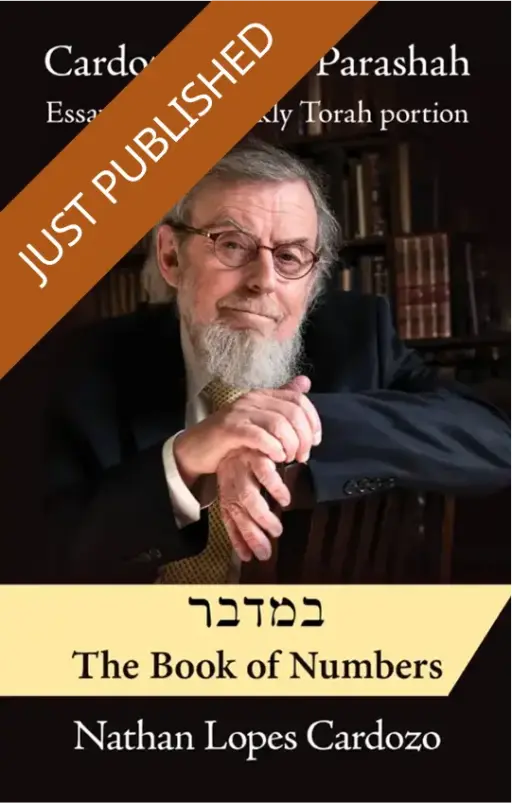

The Book of Numbers
Numbers 1:1-36:13
Bamidbar tells the story of Israel in the wilderness — a people no longer enslaved, but not yet at home — learning what it means to live as a nation under God. It is a book of journeys, organization, rebellion, and gradual formation, as Israel struggles with fear, trust, and responsibility. The wilderness becomes a spiritual laboratory where freedom is tested and character is forged. Ultimately, Bamidbar reveals that becoming a people is not only about reaching a destination, but about how one travels, responds to challenge, and grows along the way.
Featured Book
-
Parashat Bamidbar
Numbers 1:1-4:20
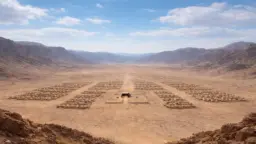
Explore Parashat BamidbarThe book opens with a census that orders Israel around the Mishkan, giving structure to a people in motion. The camp is arranged with the sacred at its center, suggesting that communal life must be organized around holiness. The parashah frames the wilderness not as chaos, but as a space where identity and purpose take shape.
-
Parashat Naso
Numbers 4:21-7:89
Explore Parashat NasoThe roles of the Levites are further defined, emphasizing service, responsibility, and care for the sacred. The portion includes the priestly blessing, one of the most tender expressions of divine presence in the Torah. Naso balances order and intimacy, law and blessing.

-
Parashat Beha'alotcha
Numbers 8:1-12:16
Explore Parashat Beha'alotchaAs Israel begins its journey, rituals of light and movement mark a transition from settlement to travel. Complaints soon erupt, revealing the people’s anxiety and longing for Egypt even after liberation. The parashah portrays leadership under strain and the fragility of communal trust.

-
Parashat Shelach
Numbers 13:1-15:41
Explore Parashat ShelachTwelve spies are sent to scout the land, but fear overwhelms faith, leading to collective despair. Israel’s refusal to enter Canaan results in a generation condemned to wander in the wilderness. The parashah asks whether hope can survive disappointment — and whether a traumatized people can learn courage.
-
Parashat Korach
Numbers 16:1-18:32
Explore Parashat KorachKorach’s rebellion challenges Moshe’s authority, questioning the very structure of leadership and sacred hierarchy. The dramatic divine response underscores that not all claims to equality are rooted in humility or truth. The parashah explores the destructive power of jealousy and the need for legitimate, responsible leadership.

-
Parashat Chukat
Numbers 19:1-22:1
Explore Parashat ChukatThe enigmatic law of the Red Cow introduces a ritual that defies simple explanation, highlighting the limits of human understanding. The deaths of Miriam and Aaron mark the passing of a founding generation, while Moshe himself stumbles at the waters of Meribah. Chukat confronts mortality, mystery, and the cost of leadership.

-
Parashat Balak
Numbers 22:2-25:9
Explore Parashat BalakA foreign king seeks to curse Israel, but the prophet Balaam finds himself compelled to bless them instead. Through poetic oracles, Israel is seen from the outside as a people chosen and protected by God. The parashah suggests that Israel’s destiny cannot be undone by hostile intent
-
Parashat Pinchas
Numbers 25:10-30:1
Explore Parashat PinchasIn the aftermath of crisis, Pinchas’ zeal is affirmed, and leadership transitions begin to take shape. A new census prepares the people for entry into the land, while daughters of Zelophehad challenge assumptions about inheritance. The portion reflects on justice, continuity, and the shaping of Israel’s future.
-
Parashat Matot
Numbers 30:2-32:42
Explore Parashat MatotLaws concerning vows highlight the power of speech and the seriousness of commitment. The tribes engage in warfare against Midian, raising questions about violence, morality, and restraint. Matot underscores that words and actions alike carry lasting consequences.
-
Parashat Masei
Numbers 33:1-36:13
Explore Parashat MaseiThe journeys of Israel are recounted as a sacred itinerary, transforming wandering into meaningful narrative. Boundaries of the land are outlined, and cities of refuge are established, balancing justice with compassion. Bamidbar closes with a people poised on the threshold — shaped by their travels and ready, at last, to enter the land.