Skip to content

The Jewish Year

  • Tisha b’Av – Who needs the Temple?

    In The Jewish Year

    The Temple whose destruction we mourn on the 9th of Av has no inherent value. It is only a means to something that no physical object can contain. On Tishโ€™a Bโ€™Av, we do not mourn the loss of the Temple but rather the loss of its message, which we no longer seem to grasp.
  • Being Jewish vs. Being Israeli

    Rabbi Yochanan ben Zakkai or A.B. Yehoshua?

    In Israel & Zionism, Jewish Thought and Philosophy, The Jewish Year and Yom HaShoah

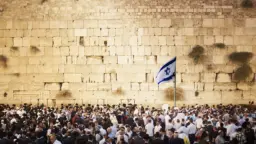
    Rabbi Yochanan taught us that Jews can survive without Israel, as long as there is Torah, the portable homeland of the Jewish people. But Jews will not survive solely because of the existence of Israelโ€”however powerful it may beโ€”if Israel does not incorporate a large percentage of Jewish traditional resources.

  • Platoโ€™s Haggada in the โ€œDialoguesโ€

    In The Jewish Year

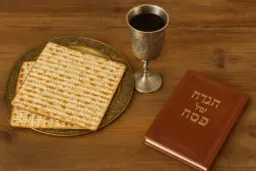
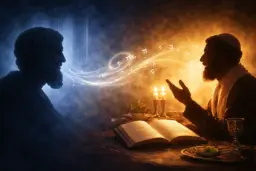
    When we read the text on the Seder night, we should be aware that it only provides the opening words. The real Haggada has no text. It is not to be read, but is rather to be heard. And, just as with the Torah, we have not even begun to understand its full meaning. We are simply perpetual beginners.

  • ื”ืžื ื•ืจื”: ื‘ื™ืŸ ืฉืžืจื ื™ื ื•ืœื™ื‘ืจืœื™ื™ื

    In Israel & Zionism and The Jewish Year

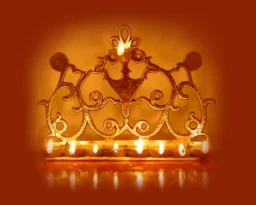
    ืžืื– ืชืงื•ืžืชื” ืฉืœ ืžื“ื™ื ืช ื™ืฉืจืืœ, ื ื™ืฆื‘ืช ื‘ืœื‘ ื”ื•ื•ื™ื›ื•ื— ื”ืฆื™ื‘ื•ืจื™ ื”ืฉืืœื” ื”ืื ื™ืฉ ืœื ื”ืœ ืืช ื”ืžื“ื™ื ื” ืขืœ ืคื™ ืขืจื›ื™ื ื™ื”ื•ื“ื™ื ืื• ื“ืžื•ืงืจื˜ื™ื™ื. ืฉื ื™ ื”ืขืจื›ื™ื ื ืจืื™ื ื›ื‘ืœืชื™ ืžืชืคืฉืจื™ื. ื”ื™ื”ื“ื•ืช ืžื™ื™ืฆื’ืช ื”ืฉืงืคืช ืขื•ืœื ืชื™ืื•ืงืจื˜ื™ืช ืฉื‘ื” ื-ืœื•ื”ื™ื ืžืžื•ืงื ื‘ืžืจื›ื–. ื”ื•ื ื”ืžื•ืงื“ ื•ื”ืกืžื›ื•ืช ื”ืžื•ื—ืœื˜ืช. ืœืขื•ืžืช ื–ืืช, ืขืœ ืคื™ย  ื”ืฉืงืคืช ื”ืขื•ืœื ื”ื“ืžื•ืงืจื˜ื™ืช ืžื™ ืฉืขื•ืžื“ ื‘ืžืจื›ื– ื”ื•ื ื”ืขื.

  • Simchat Torah: The Unbending Sefer Torah

    In The Jewish Year and Shemini Atzeret & Simchat Torah

    Ours is a future-orientated religion. We are not afraid of the latest technologies because they allow us to fulfill, in ways unimagined by our forefathers, the divine mandate to cure diseases, create more pleasant ways to live our lives, and make the world a better place. All this is beautifully expressed by our Sages, who direct us to become partners with God in the work of creation. But the very text that demands this does not allow for any changes in its content and bars us from using the latest technological devices in the writing of this same text! What is the message conveyed by this paradox?

  • Open Think Tank meeting - March 2017

    Session 11: Yom HaZikaron

    In The Jewish Year and Yom HaZikaron

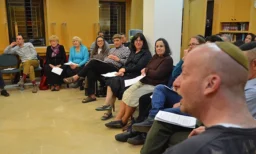
    The DCA Think Tank gathered last night to mark Yom Hazikaron together, sharing stories of fallen soldiers and victims of terror with whom they had a personal connection, and talking about the day and what it brings up for them.

  • Sefirat HaOmer: What really counts

    In The Jewish Year and Sefirat HaOmer

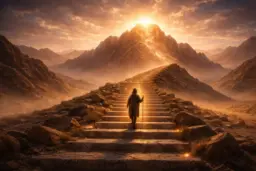
    Nothing is more dangerous for a person than to remain spiritually stale, and we are therefore required to count the 49 days of the Omer. In order to prepare ourselves for the upcoming celebration of Shavuot and the giving of the Torah, we are asked to climb a ladder of 49 spiritual steps, each day adding another dimension to our souls.

  • Pesach: Godโ€™s Sporadic Presence and Overwhelming Absence in Human History

    In The Jewish Year and Passover

    Contrary to what is commonly believed, the story of the Exodus was mainly one of Divine silence, in which only occasionally a word of God entered the human condition. While Pesach Haggada relates the miracles, the โ€œempty spacesโ€ in between tell us of a frightening Divine silence of some 38 years. And just as our forefathers must have often wondered where God was all those years, so do we. But just as they made it through, so must we.

  • Purim and the Challenge of the Holocaust

    In The Jewish Year

    Why continue to praise God for a hidden miracle when it seems that even hidden miracles came to an end with the Holocaust? This question should be on the mind of every Jew who celebrates Purim.

  • Thoughts to Reject – For the Early Connoisseur

    In The Jewish Year

    Some appropriately irreverent thoughts to...well, no, not to ponder on the occasion of Purim.

  • Walking Mountains, Shabbat and the Buddha

    In Jewish Thought and Philosophy, The Jewish Year and Shabbat

    It is well known that the institution of Shabbat is one of the best inventions God ever came up with. It no doubt qualifies Him to receive the Nobel Prize for innovative thinking, and the venerable judges in Sweden should sincerely consider bestowing this honor on the Lord of the Universe.

  • Succot, Approaching Tragedy with Joy

    In Halacha, The Jewish Year and Sukkot

    As is well known, the Succah visualizes our life span in the world. For what is a Succah? It is a frail structure which we need to dwell in for seven days. Many commentators remind us that these seven days represent man's average life span which is about seventy years.