
Spinoza, the Alter Rebbe, and the Eternal Fire
In Baruch Spinoza, Jewish Thought and Philosophy, Parashat HaShavua and Parashat Tzav
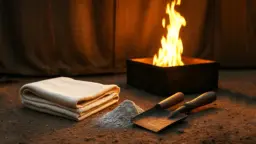
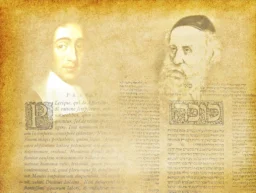
The Talmud states that all the sacrifices were consumed by a heavenly fire, not by the fire lit by the Cohanim. This seems to imply that there was absolutely no need to keep the human fire on the altar burning so as to consume the sacrifices. So why were the Cohanim commanded to keep the fire on the altar lit? It seems that an answer may be found in contrasting the teachings of two very different thinkers--Spinoza, who famously did not believe in miracles, and the Alter Rebbe, who believed the existence itself is a miracle.