This week’s Thought to Ponder is dedicated by Jerry Wolf, in memory of his favorite uncle, Anschel Wolf, z”l.
Click here to dedicate a Thought to Ponder.
From the Cardozo Academy Writers Guild
In a recent article for Israel Hayom, Yoav Limor described Israel as standing at a crossroads, facing seven weighty decisions, all of which have dramatic repercussions. Limor lists the issues:
- the hostages and the chances of clinching another release deal;
- a potential military operation in Rafah;
- the humanitarian situation within Gaza and how to prevent a disaster;
- Gaza’s future, and finding an agent to deal with the population’s needs if responsibility is not to fall on Israel;
- a potential military campaign against Hezbollah and how to facilitate the return of the residents to the northern border area;
- maintaining calm during Ramadan, especially on the Temple Mount;
- and finally, a political decision about the military draft bill. Even if the High Court of Justice gives the government more time to find a resolution, Israel’s increased security needs require a deep change in “sharing the burden”. Things cannot return to how they were before.
A curiously relevant Talmudic midrash
The first Chapter of the Megillah (1:13-15) describes a seemingly innocuous scene as the King seeks advice regarding Vashti:
|
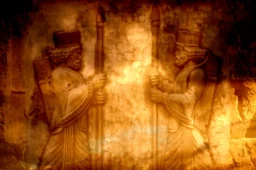
Then the king consulted the sages learned in procedure [literally “the times”]. For it was the royal practice [to turn] to all who were versed in law and precedent. Closest to him were Carshena, Shethar, Admatha, Tarshish, Meres, Marsena, and Memucan, the seven ministers of Persia and Media who had access to the royal presence and occupied the first place in the kingdom.) “What,” [he asked,] “shall be done, according to law, to Queen Vashti for failing to obey the command of King Ahasuerus conveyed by the eunuchs?” |
וַיֹּאמֶר הַמֶּלֶךְ, לַחֲכָמִים יֹדְעֵי הָעִתִּים: כִּי-כֵן, דְּבַר הַמֶּלֶךְ, לִפְנֵי, כָּל-יֹדְעֵי דָּת וָדִין. וְהַקָּרֹ֣ב אֵלָ֗יו כַּרְשְׁנָ֤א שֵׁתָר֙ אַדְמָ֣תָא תַרְשִׁ֔ישׁ מֶ֥רֶס מַרְסְנָ֖א מְמוּכָ֑ן שִׁבְעַ֞ת שָׂרֵ֣י ׀ פָּרַ֣ס וּמָדַ֗י רֹאֵי֙ פְּנֵ֣י הַמֶּ֔לֶךְ הַיֹּשְׁבִ֥ים רִאשֹׁנָ֖ה בַּמַּלְכֽוּת׃ כְּדָת֙ מַֽה־לַּעֲשׂ֔וֹת בַּמַּלְכָּ֖ה וַשְׁתִּ֑י עַ֣ל ׀ אֲשֶׁ֣ר לֹֽא־עָשְׂתָ֗ה אֶֽת־מַאֲמַר֙ הַמֶּ֣לֶךְ אֲחַשְׁוֵר֔וֹשׁ בְּיַ֖ד הַסָּרִיסִֽים׃ |
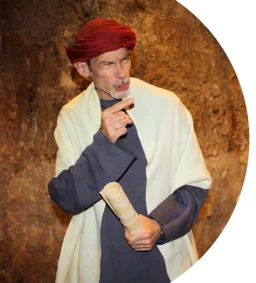
The Rabbis of the Babylonian Talmud—lacking any real political power—take the opportunity to imagine themselves within the story, inserting a conversation between verse 13, when the king asks the wise men for advice, and verse 14 when we learn about Carshena and his colleagues.
|
“Then the king said to the wise men…” Who are these wise men?The [Jewish] Sages “learned in the times,” for they know how to intercalate years and fix the months. [Ahasuerus] said to them: Judge her for me. [The Sages] said [in their hearts:] What should we do? If we say to him: kill her, tomorrow he will become sober and demand her from us. If we say to him: Let her be, she has scorned royalty. [Consequently, they decided not to judge the matter, and] they said to him “From the day that the Temple was destroyed and we have been exiled from our land, counsel has been removed from us, and we do not know how to judge capital cases. Go to Ammon and Moab, who have remained settled in their places like wine that is settled on its lees.And immediately “Next to him [literally, closest to him] were Carshena, Shethar, Admatha, Tarshish” |
ויאמר המלך לחכמים מאן חכמים רבנן יודעי העתים שיודעין לעבר שנים ולקבוע חדשים אמר להו דיינוה לי. אמרו היכי נעביד? נימא ליה קטלה- למחר פסיק ליה חמריה ובעי לה מינן. נימא ליה שבקה – קא מזלזלה במלכותא ! אמרו לו מיום שחרב בית המקדש וגלינו מארצנו ניטלה עצה ממנו ואין אנו יודעין לדון דיני נפשות. זיל לגבי עמון ומואב דיתבי בדוכתייהו כחמרא דיתיב על דורדייה לא נמר מיד “והקרוב אליו כרשנא שתר אדמתא תרשיש” |
When the Rabbis intimate that they are not unable to answer because they have been in exile since the temple was destroyed, they are not strictly wrong. The first thing the Israelites are commanded to do when they enter the land is to build cities of refuge for those who have committed manslaughter. Yet in exile they are no longer masters of space. As Abraham Joshua Heschel writes: “new in the teaching of Judaism was that the idea of holiness was gradually shifted from space to time, from the realm of nature to the realm of history, from things to events.” [1]
There does indeed seem to be a connection between sovereignty in the land and being able to judge capital cases.
But it is also clear that the Rabbis are trying to get out of a tight spot. Whatever they choose—to spare Vashti or have her killed—will have negative consequences. They thus prefer to try and pass the buck to Ammon and Moav, two neighboring peoples.
The attraction of statelessness
Indeed, there is a certain comfort—a particular purity—in powerlessness. In his essay, “On the Return to Jewish National Life”, Eliezer Berkovits writes of how exile (which he does not see as ideal) “freed us from the guilt of national existence in a world in which national existence meant guilt.” The Talmudic Rabbis embrace this guiltlessness. But the flipside is that in doing so, they lose their ability to influence.
What makes this Talmudic story particularly curious is that there isn’t really any need for the story. The Megillah’s story of how Ahasuerus requested advice from “the sages that know the times” is not unclear. It’s not “fraught with background” as Eric Auerbach might say, demanding interpretation.
Yet the Sages take the opportunity to insert themselves into the story, to become the right-hand men of the most powerful ruler in the world, only to then flee from the responsibility that comes with power. The story reflects a deep ambivalence about power—a desire for it but also a fear of wielding it.
The crucible of sovereignty
Unlike the Talmudic Rabbis, our leaders today do not have the “luxury” of making excuses. No longer can we pass the buck to Ammon and Moav. We aren’t in Kansas anymore, nor even in Babylon! We have to make decisions.
We also need to internalize that, as the story teaches, whatever decision we make (regarding the war, the hostages, humanitarian aid, Hezbollah, the IDF draft etc.), will inherently include some form of loss. That is the essential nature of decisions.
As the war continues and Purim approaches, we should try to be grateful—despite the pain, complexity, and sometimes natural wish to pontificate and delay—that we are forced to make these complex decisions. After all, they represent the essence of the sovereignty that we strove so hard to attain and continue battling to maintain.
Notes:
[1] Abraham Joshua Heschel, The Sabbath, Farrar Straus Giroux, 2005.

Calev Ben-Dor
A former analyst in Foreign Ministry, Calev Ben-Dor has worked in the Israeli policy and national security world for over 15 years. He is currently Editor of the <i>Fathom Journal</i> and has vast experience in lecturing and teaching about Jewish texts, Israel, and the Middle East to different groups.