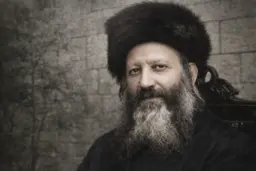
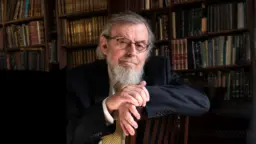
Abraham Isaac HaCohen Kook (1865–1935) was one of the most visionary and influential Jewish thinkers of the modern era—a mystic, halakhist, and spiritual leader whose ideas helped shape the religious meaning of Jewish national revival. Born in Latvia, he distinguished himself early as a prodigious scholar, combining rigorous Talmudic mastery with a deeply creative and expansive mind. After serving as a rabbi in Eastern Europe, he immigrated in 1904 to the Land of Israel, where he became the rabbi of Jaffa and its surrounding agricultural communities, encountering firsthand the emerging Zionist movement.
At a time when many religious leaders viewed secular Zionism with suspicion, Rav Kook offered a radically different perspective. He saw in the return to the Land of Israel—even by non-observant Jews—the stirrings of a divine redemptive process. Rather than deepening the divide between religious and secular Jews, he sought to reveal their underlying unity, arguing that both were participating, consciously or not, in the unfolding spiritual renewal of the Jewish people. His thought wove together halakhah, mysticism, philosophy, and nationalism into a sweeping vision in which apparent contradictions were expressions of a deeper harmony.
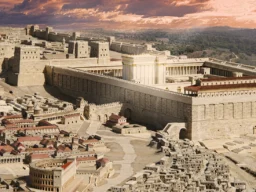
Appointed the first Ashkenazi Chief Rabbi of the Land of Israel in 1921, Rav Kook became a central spiritual figure of the Yishuv while continuing to develop his far-reaching ideas. He founded the Mercaz HaRav yeshiva in Jerusalem, which became a major center for Religious Zionist thought. His writings, especially Orot, articulate a bold theology of history in which the Jewish people, the Land of Israel, and the spiritual evolution of humanity are intimately connected. Rav Kook passed away in 1935, but his legacy endures as a powerful and often provocative call to envision a Judaism capable of embracing both tradition and transformation.